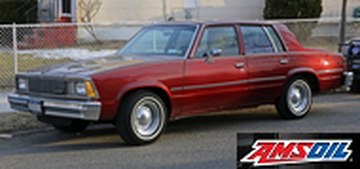
Maintaining Lubrication Standards for the 1981 Chevrolet MALIBU 3.8L
Proper engine care for a vehicle of this era requires a focus on consistent monitoring and adherence to specific fluid requirements. For owners of a 1981 Chevrolet MALIBU equipped with the 3.8L engine, maintaining the lubrication system is a fundamental aspect of long-term mechanical health. Because older engines may exhibit different sealing characteristics or material behaviors compared to modern vehicles, a proactive approach to inspection and oil selection is highly beneficial.Monitoring Fluid Integrity and Potential Leaks
One of the most effective ways to monitor the health of the 3.8L engine is through regular visual inspections for fluid seepage. Over time, various gaskets and seals may experience changes in their ability to maintain a tight barrier. When performing routine maintenance, it is useful to look for signs of oil residue around the engine block or on the underside of the vehicle. If you notice fresh oil accumulating in the oil pan area or staining on the surrounding components, this warrants further investigation. It is important to remember that visible leaks can stem from various sources, such as a seal or gasket that has aged, and identifying the exact origin requires careful observation. Additionally, checking the condition of any visible hoses or connections can help ensure that the overall engine environment remains clean and free of unnecessary contaminants.Observing Changes in Engine Performance
Beyond visual inspections for leaks, owners should remain attentive to how the vehicle behaves during operation. While many mechanical issues can have multiple underlying causes, certain symptoms are worth noting as they may relate to the lubrication system. For example, if you notice an unusual odor that suggests oil is contacting a hot engine component, or if there is a change in the way the engine sounds during startup or idling, these observations should be documented. Changes in how much oil the engine seems to use between service intervals can also be a significant indicator of how the internal components are behaving. Rather than attempting to diagnose a specific part failure based on a single symptom, treat these changes as prompts to perform a more thorough inspection of the lubrication system and its related components.Prioritizing Maintenance Based on Current Condition
As vehicles age, the most effective maintenance strategy is often to prioritize tasks based on the actual condition of the machine rather than relying solely on chronological age. For a 1981 Chevrolet MALIBU, this means establishing a clear baseline of what is currently functioning correctly. If you are unsure of the vehicle's complete service history, your first priority should be to document all recent fluid changes, filter replacements, and any repairs performed. This creates a roadmap for future maintenance. Once a baseline is established, focus on addressing active concerns—such as minor seepage or aging belts (if equipped)—before moving on to purely preventive measures. Distinguishing between what needs immediate attention and what can be monitored through routine checks allows for more efficient and cost-effective ownership.Managing Aging Engine Components
Maintaining an older engine involves a careful balance of preventive care and condition-based monitoring. For the 3.8L engine, certain components may require more frequent scrutiny as they age. This includes inspecting accessible drive belts, if equipped, for signs of cracking, glazing, or fraying. Similarly, checking the integrity of electrical connections and ensuring that air filtration systems are clean can prevent secondary issues from arising. It is also helpful to keep a close eye on the cooling system's condition, as maintaining stable operating temperatures is vital for consistent oil performance. If there is evidence of previous maintenance neglect or if the vehicle has been subjected to varying operating environments, an extra layer of vigilance regarding fluid levels and component wear is recommended.The Role of High-Mileage Formulations
When managing an older engine, you may encounter various types of lubricants designed for specific needs. Some high-mileage oil formulations contain additives intended for use in aging engines. These products often include seal-conditioning additives that are formulated to help maintain the flexibility of certain seals. While these can be a useful tool in a maintenance toolkit, they should be selected based on the specific needs and current state of your engine rather than as a universal solution for all older vehicles.Practical Guidance for Buying Engine Oil for your 1981 Chevrolet MALIBU 3.8L
When it is time to replenish your engine's lubricant, the most important step is to ensure that the product you select matches the specific requirements of your application. To avoid errors, always match the engine oil to the application-specific viscosity information shown above on this page. Before finalizing a purchase, follow these practical steps:- Verify the Label: Always check the product packaging to confirm it meets the necessary quality standards and certifications.
- Consult the Application Data: Do not rely on general automotive knowledge or assumptions based on the vehicle's age; instead, use the specific viscosity and application details provided in the technical data for this 1981 Chevrolet MALIBU 3.8L.
- Consider Formulation Types: Depending on your engine's current condition and your maintenance goals, you may choose between conventional, synthetic blends, or full synthetic oils. If your engine shows signs of aging seals, you might also consider high-mileage formulations.
- Check for Certification: Ensure the oil carries the appropriate modern API certification to guarantee it meets current standards for detergent and additive performance.